

2026 Governor Candidate Questionnaire
Candidate Questionnaire on K-12 Education
WSAA is a non-partisan organization advocating for strengthening our schools and providing the best possible public education we can for our students.
Both major-party candidates for governor received the same four questions from the Wisconsin School Administrators Alliance (WSAA). Responses appear exactly as submitted.
About this questionnaire
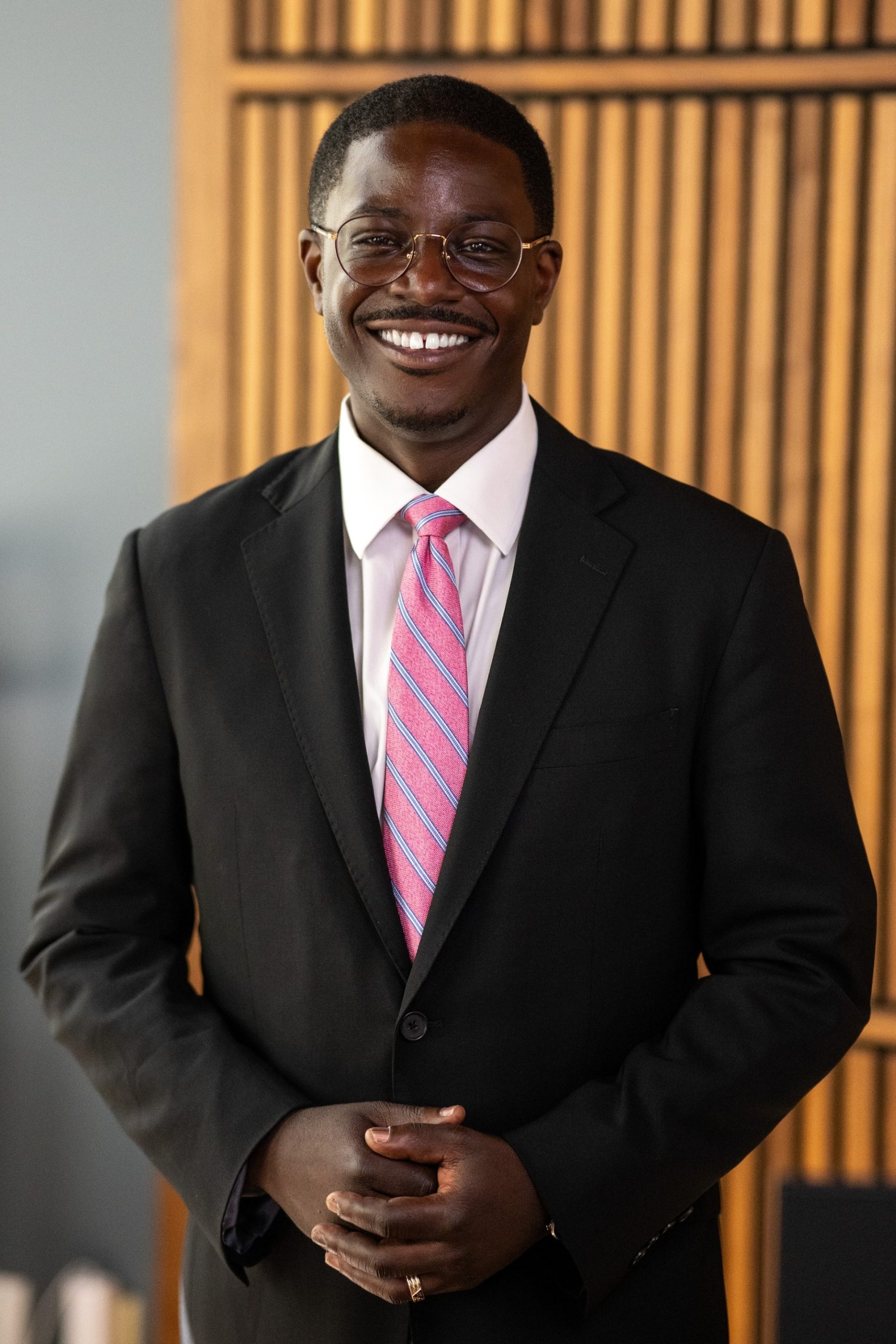
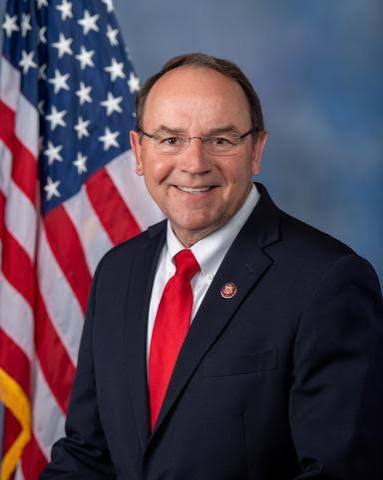
WSAA sent identical questions to both campaigns in early September 2026. The Crowley campaign returned written responses on September 20. The Tiffany campaign replied to WSAA’s initial outreach on September 7 and asked that the questionnaire be sent to its press office, which WSAA did on September 8. As of October 12, 2026, WSAA has not received responses from the Tiffany campaign.
1K-12 School Finance and Local Property Tax Pressures
Wisconsin school districts face mounting budget pressures driven by cost inflation, statutory revenue limits, and an increasing reliance on local property tax referenda to fund basic operational expenses.
What is your overall vision for state support of K-12 public education funding, and what policy approaches or legislative proposals do you support to ensure predictable, long-term fiscal stability for local school districts while balancing property tax impacts?
Every child deserves the opportunity to thrive – and that means making sure Wisconsin’s public schools have the support they need to set our kids up for future success. I’m a proud Wisconsin public school graduate and the father of three daughters who attend Wisconsin’s public schools. As governor, my goal is to fully fund our public education system and ensure that every Wisconsin child has access to strong public schools.
My vision for funding Wisconsin’s public schools starts with a simple commitment: the state must commit to funding two-thirds of the cost of public K-12 education. That requirement used to provide our school districts with predictable, stable funding. Walking away from it has pushed too many districts into a cycle of referendum after referendum just to keep the lights on. When the state doesn’t meet its obligations to fund our schools, the bill doesn’t just disappear — it lands on local property taxpayers and on school boards who are left to make impossible choices.
As a county executive, I’ve lived this problem first-hand. When the state tells you that you have to provide a service, but doesn’t allocate the funding to pay for it, local taxpayers are left to make up the difference. I’ve seen the cost of state-mandated services grow faster than our ability to pay, and I know what it’s like to have to make those impossible choices.
Our school districts face that same pressure every day. Districts need robust, reliable, sustainable K-12 funding so they can plan long term instead of lurching from referendum to referendum. As governor, I will fight to fully fund our public schools, restore the two-thirds funding commitment, and direct new state resources toward public K-12 education – including using part of the state’s current surplus – as a first budget priority.
I also recognize that we did not get here overnight. Our school finance system has long been broken and years of underfunding have made the problem worse. A budget increase in a single biennium won’t fix our school finance system’s structural problems. To identify viable, long-term school finance solutions, I would convene a bipartisan commission to overhaul our school funding framework, informed by what other states have done. By convening legislators from both parties; educators and school leaders; business and labor leaders; school finance experts and researchers; along with families and taxpayers, we can work together to build a school finance system that works for families, schools and taxpayers and meets our obligations to provide all Wisconsin children with a quality public education.
2Special Education Funding and State Reimbursement
State special education categorical aid covers a limited portion of eligible mandated service costs, requiring districts to transfer significant local operating revenue from general funds to cover special education mandates.
How do you view the state’s responsibility in funding federally mandated K-12 special education services, and what strategy would your administration pursue regarding special education categorical aid and state reimbursement support?
As governor, I will close the special education funding gap so every student gets what they need — without forcing districts to cut other programs to make up the difference. Last school year Wisconsin school districts received less than $.40 from the state for every dollar they spend on special education services. That is not sustainable.
I support raising the state’s special education categorical aid reimbursement rate toward 90%. Getting there will mean balancing competing budget priorities over several years, but we don’t have to wait to start: we can give meaningful relief to districts now while we build toward that higher target.
Finally, I’ll also push Wisconsin’s federal delegation to increase IDEA funding, and hold them accountable when they don’t deliver. Washington has never funded its share of special education costs as promised, and states and school districts have been left to make up the difference for decades. A child’s access to services they’re legally entitled to should never depend on a district’s budget. We owe it to all of Wisconsin’s public school kids to do better.
3Educator Recruitment, Retention, and Licensure
Districts in rural, suburban, and urban communities across Wisconsin continue to struggle with attracting and retaining licensed teachers, specialized pupil services staff, and school administrators.
What state-level policy tools, recruitment incentives, or licensing reforms do you support to strengthen and sustain the educator and school leadership pipeline in Wisconsin?
As governor, I’ll work to make Wisconsin a place where educators are paid fairly, respected professionally, and supported to do their best work.
We cannot ask our school to deliver for every student if we aren’t willing to invest in the people who make that possible – including our teachers, pupil services and support staff, and school leadership in our schools and district offices. I support fair and competitive pay, strong benefits, and meaningful professional development that all educators and school staff need to succeed.
To further strengthen and sustain the educator and school leadership pipeline, I believe we can build stronger career pathways into education so young people across the state — in rural, suburban, and urban communities alike — see teaching and school leadership as desirable careers close to home. That includes targeted loan repayment assistance for high-need positions across the state – including teachers – to make it financially realistic for talented people to enter and stay in public education in Wisconsin. It also means supporting effective mentorship, coaching, and leadership development strategies that have a positive impact on student outcomes and educator retention.
At the same time, I believe workforce shortages, recruitment and retention, and school funding are all directly connected. Districts cannot compete for and retain qualified staff while being forced into repeated operating referenda to balance their budgets. Ensuring our schools have the funding they need is necessary for any recruitment and retention strategy to be successful.
4Implementation and Funding of State Educational Mandates
Major statewide academic initiatives, such as early literacy requirements under 2023 Wisconsin Act 20, require substantial local administrative capacity, staff training, instructional materials, and ongoing implementation costs.
What is your philosophy regarding state-mandated instructional reforms, and how would your administration support school districts in implementing state K-12 academic requirements effectively and sustainably?
I support strong reading outcomes for our kids — that’s not in question. What I push back on is the idea that you can hand districts a big new mandate and not the resources to carry it out. If we’re serious about early literacy, that means investing in teacher training, in instructional materials, in literacy coaches, and in ongoing support — not just a one-time check and then walking away.
My approach to any state academic requirement is the same: work alongside educators, not against them. Teachers and reading specialists know what their kids need — our job at the state level is to fund that work and get out of the way of political fights that don’t help a single kid learn to read better. When the state hands down a mandate, the state needs to hand over the resources to make it real. Otherwise it’s just another unfunded promise, and we’ve made too many of those already.